Source Kitchen Hook for Cooking, Baking, and BBQ
Compare 30 kitchen hook options from verified suppliers. Buyers can evaluate materials like metal and plastic, customization features, and applications for cooking, baking, and BBQ to find the right fit; compare the available evidence and request quotations based on your requirements.
Key considerations
Products List
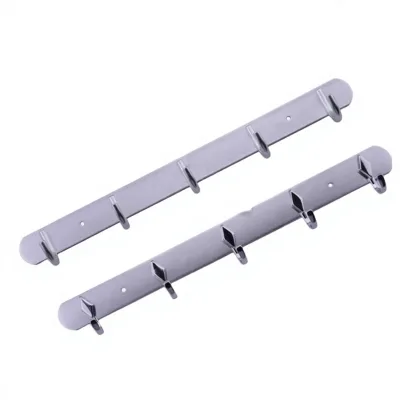


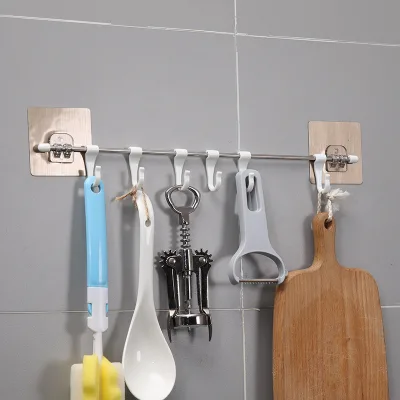


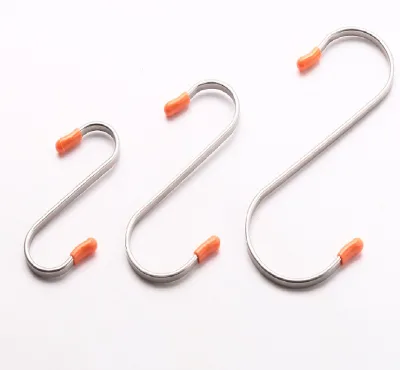
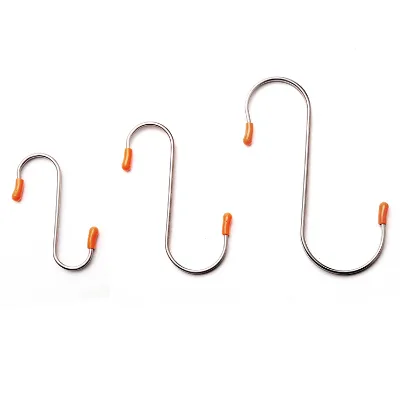

Comprehensive Sourcing Guide
Kitchen Hook Sourcing Guide
Sourcing kitchen hooks requires a nuanced understanding of material durability, installation constraints, and aesthetic integration within modern culinary environments. Buyers must distinguish between structural mounting hardware and decorative organizational accessories, as the functional demands for heavy-load capacity differ significantly from those for lightweight garment or bag suspension. The market presents a wide array of options, ranging from stainless steel wall-mounted units to plastic adhesive solutions, each serving distinct utility profiles in high-traffic domestic or commercial settings.
Procurement decisions should be driven by specific application requirements, such as wardrobe organization, bathroom storage, or kitchen utensil hanging. It is critical to verify the intended load-bearing capacity and surface compatibility before placing orders, as improper installation can lead to product failure and customer dissatisfaction. Understanding the diverse use cases, from suspending belts and shoes to holding kitchen tools, ensures that the selected hooks align with the end-user’s spatial and functional needs, thereby reducing return rates and enhancing brand reputation.
Product Scope and Observed Listing Signals
The current market landscape for kitchen hooks reveals a fragmented product range with varying material compositions and design philosophies. Listings indicate the presence of metal-based hooks, including stainless steel and carbon steel variants, alongside plastic constructions utilizing materials like nylon and polypropylene. These material distinctions directly influence the product’s corrosion resistance, aesthetic finish, and suitability for humid environments such as bathrooms or near sinks. Buyers should observe that some products are marketed with specific color options, such as dark grey or customized hues, to match interior design schemes.
Observed listing signals also highlight significant variability in packaging and branding strategies. Some suppliers offer OEM services with customized logos, while others provide standard packaging like OPP bags or bulk carton configurations. The presence of specific model numbers, such as JL-068 or XP-012, suggests a standardized production line, yet the diversity in accessory types, from single hooks to six-link systems, indicates a broad scope. Buyers must carefully cross-reference these signals with their specific quality requirements, as the term "kitchen hook" may encompass everything from simple wall mounts to complex multi-tier storage solutions.
Technical Specifications to Verify
Technical verification begins with precise dimensional analysis and material composition confirmation. Buyers should request detailed specifications regarding product size, such as the 38.5 * 7cm dimension observed in some listings, and ensure that dimensional tolerances, typically cited as less than ±5mm, are strictly adhered to for consistent installation. The material type is paramount; stainless steel offers superior durability and hygiene, while plastic variants like PP provide lightweight, cost-effective alternatives. Verifying the exact alloy grade or plastic formulation prevents unexpected degradation or breakage under load.
Installation type and structural integrity are equally critical technical factors. Hooks may be designed for screw mounting, adhesive application, or freestanding placement, each requiring different surface preparations and load assessments. Buyers must verify the number of tiers, shape, and overall weight capacity, noting that some products are rated for single-tier use while others support multiple hanging points. Additionally, checking the accessory type, such as mesh reinforcements or specific hook geometries, ensures compatibility with the intended hanging items, whether they are heavy garments, kitchen utensils, or lightweight bags.
Compliance and Safety Documentation
Compliance documentation is essential for ensuring that kitchen hooks meet regional safety and environmental standards. Buyers should request certificates such as ISO9000 for quality management, ROHS for restriction of hazardous substances, and SGS for general product safety verification. These documents provide assurance that the manufacturing processes adhere to recognized international benchmarks, reducing liability risks and facilitating smoother customs clearance in regulated markets. Without these certifications, buyers may face challenges in selling products in regions with strict environmental or safety regulations.
Safety considerations also extend to the physical design of the hooks, particularly regarding sharp edges or unstable mounting mechanisms. Documentation should confirm that the product design minimizes injury risks, especially in households with children or in high-traffic commercial kitchens. Buyers must verify that any adhesives or mounting hardware included with the hooks are also compliant with relevant safety standards. Ensuring that all components, from the main hook body to the packaging materials, meet these criteria is crucial for maintaining product integrity and consumer trust.
Cost Drivers and Commercial Terms
Cost drivers for kitchen hooks are primarily influenced by material selection, manufacturing complexity, and order volume. Stainless steel and specialized alloys typically command higher prices due to raw material costs and processing requirements, whereas plastic hooks offer a more budget-friendly option. Customization features, such as logo printing or unique color matching, add to the unit cost due to setup fees and extended production times. Buyers should analyze the trade-off between aesthetic customization and cost efficiency to determine the most viable strategy for their target market.
Commercial terms, including MOQ and packaging specifications, significantly impact the total procurement cost. Observed MOQs can range widely, from small batches for testing to large volumes for established distribution channels. Packaging methods, such as OPP bags or bulk carton packing, affect shipping efficiency and storage requirements. Buyers must negotiate clear terms regarding packaging quantity, outer box specifications, and shipping weights to optimize logistics costs. Understanding these commercial variables allows for more accurate budgeting and prevents unexpected expenses during the fulfillment process.
Supplier Qualification and Quality Control
Supplier qualification involves assessing the manufacturer’s production capabilities, quality control systems, and geographic location. Suppliers located in regions like Guangdong or Zhejiang Province, China, often have established supply chains and manufacturing expertise. Buyers should verify the supplier’s ability to maintain consistent quality across large production runs, particularly when dealing with customized orders. Requesting samples and conducting factory audits can provide valuable insights into the supplier’s operational standards and reliability.
Quality control measures should include rigorous inspection of material integrity, dimensional accuracy, and finish quality. Buyers must establish clear acceptance criteria for defects, such as corrosion, sharp edges, or structural weaknesses. Implementing a pre-shipment inspection protocol ensures that only products meeting the specified standards are dispatched. Collaborating with suppliers who have robust QC processes reduces the risk of receiving substandard goods and minimizes the potential for costly returns or disputes.
Long-Term Procurement Checks
Long-term procurement success depends on continuous monitoring of supplier performance and market trends. Buyers should regularly review supplier delivery times, product consistency, and responsiveness to issues. Establishing a feedback loop with end-users can provide valuable insights into product performance and potential improvements. Staying informed about emerging materials, design trends, and regulatory changes ensures that the procurement strategy remains competitive and compliant over time.
Building a resilient supply chain involves diversifying suppliers and maintaining strong relationships with key partners. Regularly evaluating alternative sources can mitigate risks associated with supply disruptions or price volatility. Buyers should also consider the lifecycle of the products, including potential for recycling or disposal, to align with sustainability goals. By focusing on long-term partnership and continuous improvement, buyers can secure a stable supply of high-quality kitchen hooks that meet evolving market demands.
FAQs
What materials are used for kitchen hooks?
Kitchen hooks are typically constructed from durable materials such as stainless steel, plastic, or metal. Some designs combine stainless steel with PP plastic for enhanced strength and corrosion resistance. Other options include nylon meshes or simple metal constructions. These materials ensure longevity and suitability for various hanging applications in kitchens and bathrooms.
Can I customize the logo on kitchen hooks?
Yes, customized logos are available for kitchen hooks. Many manufacturers accept personalized branding to meet specific business requirements. This customization allows buyers to enhance product visibility and brand identity. It is advisable to confirm logo placement and design specifications with the supplier before production to ensure the final output matches your expectations.
What is the typical MOQ for kitchen hooks?
The minimum order quantity for kitchen hooks varies by supplier but often starts around 200 pieces. Some vendors may require up to 100,000 units depending on the product type. Buyers should check specific listings for exact MOQs. Lower MOQs are generally available for standard items, while customized products may have higher minimum thresholds.
Where are kitchen hooks typically manufactured?
Kitchen hooks are commonly manufactured in China, specifically in regions like Guangdong and Zhejiang Province. These areas are known for their robust manufacturing capabilities and supply chain efficiency. Buyers sourcing from these locations can often find a wide variety of styles, materials, and customization options available from local factories and vendors.
What certifications do kitchen hooks have?
Kitchen hooks may comply with standards such as ISO9000, ROHS, and SGS. These certifications indicate adherence to quality management and safety regulations. Buyers should verify specific certification documents with suppliers. Compliance ensures that products meet international standards for material safety and manufacturing quality, which is crucial for export and retail distribution.
How are kitchen hooks packaged for shipping?
Kitchen hooks are typically packaged in OPP bags or custom packaging as requested by clients. Standard packing quantities may include 120 pieces per carton. Outer box dimensions vary, such as 65 by 40 by 47 cm. Custom packaging options are available to meet specific retail or logistical requirements, ensuring product protection during transit.